Table of contents
- Start Here: Floreana Giant Tortoise Restoration Decisions
- How to Make It a Great Day
- The Real Impact on Planning
- The Science in Human Terms
- Wildlife Windows and How to Catch Them
- What Changes Once You’re On-Site in Floreana Giant Tortoise Restoration
- Best For / Not For (Based on Nearly) in Floreana Giant Tortoise Restoration
- FAQ: What Changes by Itinerary (Floreana)
- What specific genetic traits are being preserved in the Floreana giant tortoises?
- How do giant tortoises impact the ecosystem of Floreana?
- What challenges do the local residents face in relation to the tortoises' return?
- What conservation efforts are underway to maintain the habitat of Floreana?
- How can travelers contribute to the ongoing conservation in Galapagos?
- What unique species will accompany the giant tortoises' return to Floreana?
The restoration of the Floreana giant tortoise represents one of the most ambitious conservation initiatives in the Galapagos Islands. Rather than being a visitor experience, the project is primarily a long-term ecological restoration program led by the Galapagos National Park Directorate and the Charles Darwin Foundation. While travelers visiting Floreana may learn about the effort through guides or interpretation, access to the actual tortoise restoration zones is generally restricted to scientists and conservation staff.
For visitors, Floreana offers a different kind of perspective on conservation: witnessing landscapes where restoration is underway while exploring historically important visitor sites such as Punta Cormorant, Post Office Bay, and Champion Islet. Travelers interested in conservation may appreciate the broader story of ecological recovery in the archipelago, but direct interaction with the tortoise restoration program is not part of standard tourism activities.
Key Takeaways – What Matters Most
-
The Floreana giant tortoise restoration is one of the most significant conservation projects in the Galapagos, aiming to restore a species that disappeared from the island in the 19th century.
-
In 2019, more than 100 juvenile tortoises raised through a selective breeding program were released on Floreana, marking the beginning of a long-term ecological restoration effort.
-
The project is led by the Galapagos National Park Directorate and the Charles Darwin Foundation and focuses primarily on ecosystem recovery rather than tourism.
-
Visitors to Floreana may learn about the restoration through guides and interpretation, but access to tortoise restoration areas is generally restricted to scientists and park authorities.
-
Travelers interested in seeing giant tortoises up close typically have better opportunities on islands such as Santa Cruz or Isabela, where wild populations are more established.
Start Here: Floreana Giant Tortoise Restoration Decisions
During the 19th century, Floreana Island supported a population of giant tortoises that played a key ecological role in shaping the island’s vegetation. Intensive exploitation by sailors, settlers, and introduced animals led to their disappearance by the mid-1800s, and for more than a century the Floreana tortoise was considered extinct.
Scientific research in the early 2000s revealed that several tortoises living on Wolf Volcano on Isabela Island carried genetic ancestry from the original Floreana population. These individuals became the foundation of a long-term breeding program at the Galapagos National Park’s Giant Tortoise Breeding Center. In 2019, the first group of juvenile tortoises was reintroduced to Floreana as part of a multi-decade effort to restore the island’s ecosystem.
.jpg?alt=media&token=14b1c778-ff2b-44ef-9e9e-d25fd02b4b6b)
How to Make It a Great Day
Visiting Floreana is typically part of a guided Galapagos cruise itinerary. Most visitor experiences focus on the island’s official landing sites, including Punta Cormorant, Post Office Bay, and nearby Champion Islet. These locations offer opportunities for wildlife observation, snorkeling, and exploration of the island’s unique volcanic landscapes.
While the giant tortoise restoration program is an important conservation story, the breeding and release areas are not part of standard visitor routes. Guides often share the history of the project and its ecological importance, giving travelers a deeper understanding of how conservation efforts are shaping the future of the island.
The Real Impact on Planning
Floreana is one of the least populated islands in the Galapagos, with a small community and limited infrastructure. Because of this, most travelers visit the island as part of an organized cruise rather than staying overnight. Cruise itineraries typically include landings at Punta Cormorant and Post Office Bay, along with snorkeling excursions around Champion Islet.
Although conservation programs such as the tortoise restoration project are taking place on the island, these activities are managed separately from tourism. Visitor access is limited to designated sites established by the Galapagos National Park in order to protect sensitive ecosystems and wildlife.
The Science in Human Terms
The Floreana tortoise revival depends on complex genetics: starting in 2008, DNA from hybrid tortoises found on Wolf Volcano served as the basis for captive breeding, ultimately producing hundreds of new hatchlings at the Santa Cruz breeding center. Decision heuristic: If you prioritize contributing to next-generation reintroduction, focus your visit on organizations directly supporting genetic research or breeding work. A major tradeoff is that viewing is often restricted to controlled settings, especially during delicate post-release periods when human contact is minimized to prevent stress and disease transmission. Specificity anchors: all offspring destined for Floreana undergo genetic screening and health checks before transfer, and the acclimatization process means tortoises are sometimes not visible at all to visitors depending on timing and conservation priorities. Scientific goals—like maintaining original Floreana lineage and ensuring resilience to historical threats—shape both the tourism product and the way restoration activities are staged on the island.
Explore Floreana Island on a Galapagos Cruise
Floreana Island is one of the most intriguing destinations in the Galapagos, where dramatic volcanic landscapes meet vibrant marine life and centuries of maritime history. From snorkeling at Champion Islet to visiting the historic Post Office Bay and observing flamingos at Cormorant Point, these thoughtfully designed itineraries allow you to experience Floreana as part of a broader journey through the archipelago’s most iconic islands.
-
Enchanted Galapagos Southern and Central Islands Cruise – 5 Days
A well-balanced five-day expedition that includes Floreana’s Cormorant Point, Champion Islet, Post Office Bay, and Baroness Lookout, alongside visits to Española and San Cristóbal. -
Enchanted Galapagos Northern and Southern Islands Cruise – 9 Days
An extended nine-day voyage combining northern highlights such as Genovesa with southern icons like Española and Floreana, offering deeper wildlife immersion and diverse landscapes.
Wildlife Windows and How to Catch Them
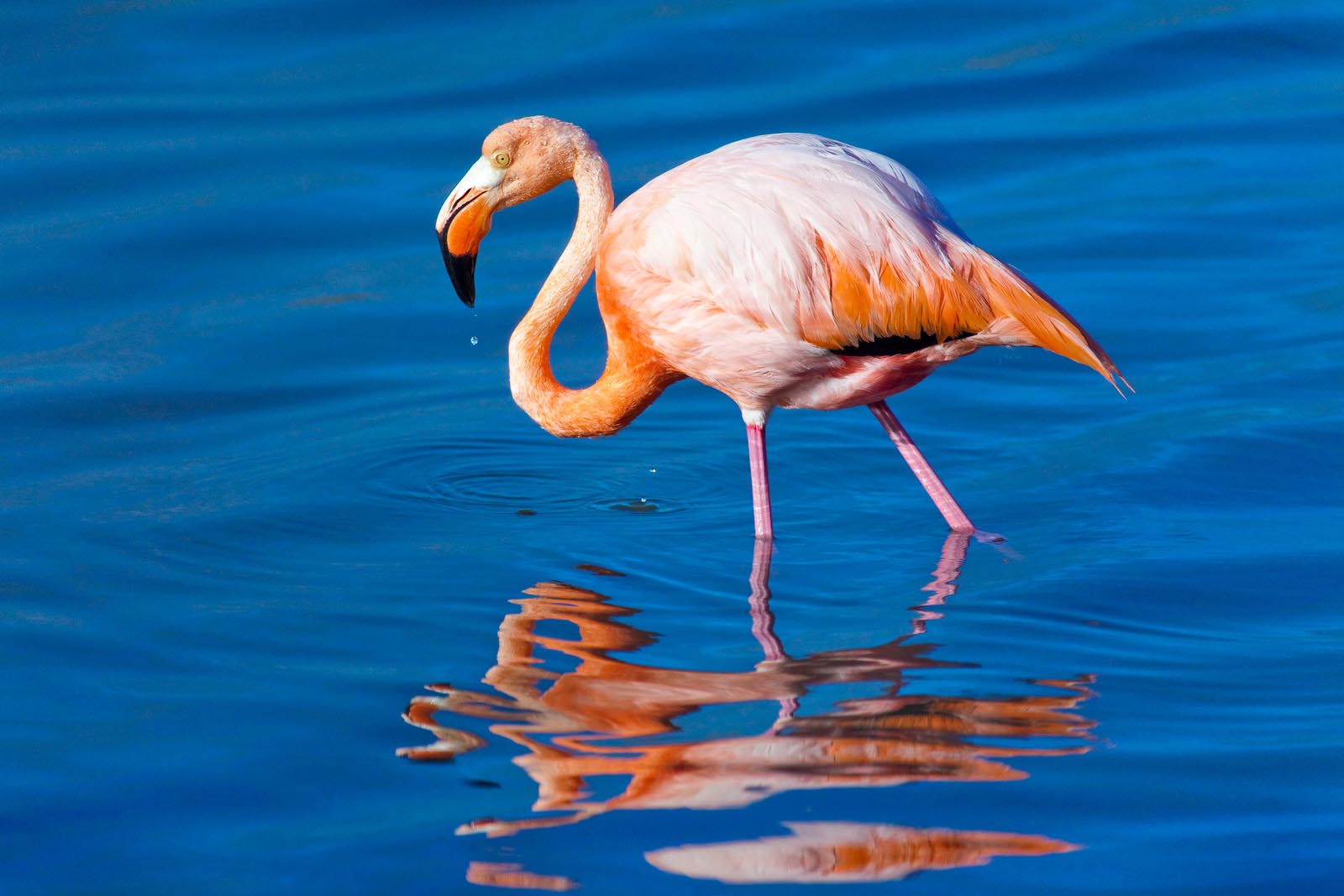
Wildlife encounters on Floreana are diverse, though they differ from the tortoise experiences found on other islands. Visitors often observe Galapagos flamingos feeding in the lagoon at Punta Cormorant, marine iguanas resting on volcanic rocks, and sea lions swimming along the coast. Nearby Champion Islet is considered one of the best snorkeling locations in the archipelago, where travelers may see colorful reef fish, sea turtles, and occasionally Galapagos penguins.
Birdwatchers may also encounter species such as Darwin’s finches and the Floreana mockingbird, which today survives primarily on nearby islets. Wildlife activity varies with season, weather conditions, and the time of day, making each visit slightly different.
What Changes Once You’re On-Site in Floreana Giant Tortoise Restoration
On arrival, the realities of Floreana’s restoration become immediately clear. Ongoing eradication of invasive mammals—like rats and feral cats—means that certain trails, visitor areas, or even whole sections of the highlands may be off-limits for days or weeks, especially during active chemical controls or trapping campaigns. Conversely, positive ecological signals are visible: greater numbers of endemic birds such as the Floreana mockingbird near restored shrubland, or increased lizard sightings in newly fenced tortoise habitat. Decision heuristic: If witnessing short-term ecological gains is your priority, visit soon after major eradication or planting campaigns to catch “first returns” of iconic species. But the tradeoff is limited flexibility; site closures and shifting access can disrupt plans, and visitor flows are tightly regulated to avoid reintroducing pests. Two anchors: Post Office Bay’s restored beach, now frequented by nesting turtles, and Cerro Alieri’s fenced zones—both exemplify the tug-of-war between rapid recovery and necessary visitor restrictions.
Best For / Not For (Based on Nearly) in Floreana Giant Tortoise Restoration
This restoration experience best suits travelers passionate about supporting long-term ecosystem projects—even if it means trading ease of access or reliable wildlife viewing. Conservationists, field ecology enthusiasts, and ecotourists who value hands-on learning will find Floreana’s transformation meaningful. If your main goal is to photograph giant tortoises up close or explore freely across the island, Floreana is not your best fit—regulations prioritize animal welfare and habitat security, putting many areas off-limits and rendering animal encounters incidental rather than guaranteed. Two reference points: the restoration project frequently restricts visitor numbers in the highland zones where tortoises live, and tours emphasizing community-based conservation are typically more immersive than sightseeing-centric cruises. Weigh your willingness to accept ecological and logistical limitations against your interest in direct participation in active restoration.
.jpg?alt=media&token=34fd25a3-eb07-4823-8b03-790819b89d7d)
FAQ: What Changes by Itinerary (Floreana)
What specific genetic traits are being preserved in the Floreana giant tortoises?
The conservation program explicitly preserves genetic markers found to match the original Floreana lineage, identified through DNA profiling of Wolf Volcano hybrids. Itineraries featuring partnerships with research stations offer firsthand insight into how genetic sampling and selective breeding are performed to maintain these traits.
How do giant tortoises impact the ecosystem of Floreana?
Floreana tortoises reengineer habitat by spreading seeds, trampling thick brush, and enabling open clearings—moderating plant composition and opening space for other endemic species. Compared with islands lacking tortoises, these effects create a more dynamic distribution of vegetation and fauna, directly influencing restoration prioritization and trail routing.
What challenges do the local residents face in relation to the tortoises' return?
Residents confront day-to-day tradeoffs between conservation mandates—such as restricted livestock access and crop protection from young tortoises—and maintaining agriculture or guiding livelihoods. Community input is critical in navigating regulated land uses, particularly during major habitat changes or invasive species campaigns.
What conservation efforts are underway to maintain the habitat of Floreana?
Active habitat recovery includes methodical invasive mammal eradication, fencing projects, controlled prescribed burns, and phased native plant restoration. Visitor itineraries may be shaped around these activities, with occasional closures or detours—travelers on science-aligned tours gain direct exposure to these ongoing field projects.
How can travelers contribute to the ongoing conservation in Galapagos?
Visitors can prioritize bookings with tour operators or community groups that directly reinvest in local restoration, engage in hands-on habitat work as part of their itinerary, and rigorously follow park biosecurity rules to prevent pest reintroduction. Supporting locally certified initiatives maximizes positive impact compared to generalized tourism.
What unique species will accompany the giant tortoises' return to Floreana?
Planned multi-species reintroductions, such as the Floreana mockingbird and racer snake, are phased to follow tortoise habitat restoration. Select itineraries may time landings to coincide with anticipated releases of these species into restored areas, though sightings remain opportunistic rather than assured.